The Dream of a Beach Wedding
There is something timeless about exchanging vows with the sound of waves as your soundtrack and the horizon as your backdrop. Beach weddings are romantic, naturally beautiful, and unforgettable. They also come with unique challenges that require careful planning.
Choosing Your Beach Venue
Public vs Private Beaches
Public beaches are often free or require only a permit, but they come with limitations:
- Other beachgoers will be present
- You may have restrictions on setup times and decorations
- Noise ordinances may apply
- No guaranteed privacy for your ceremony
Private beaches at resorts or estates offer:
- Exclusive access for your wedding
- Built-in facilities like restrooms, kitchens, and power
- On-site coordination and staff
- Weather backup options indoors
Questions to Ask Beach Venues
- What happens if it rains? Is there an indoor backup?
- Are there noise or time restrictions?
- What permits are required for the ceremony?
- Is there access to power for music and lighting?
- How many guests can the beach area accommodate?
- Is there parking nearby or do we need shuttle service?
- Are there restrictions on decorations, candles, or alcohol?
Beach Wedding Decor
Let Nature Do the Work
The biggest advantage of a beach wedding is that the scenery is your decor. Resist the urge to over-decorate — the ocean, sand, and sky are already stunning.
Ceremony decor ideas:
- A simple wooden arch draped with fabric or greenery
- Bamboo poles with hanging lanterns
- Seashell or starfish accents along the aisle
- Driftwood arrangements with flowers
- No arch at all — just the open ocean behind you
Reception decor ideas:
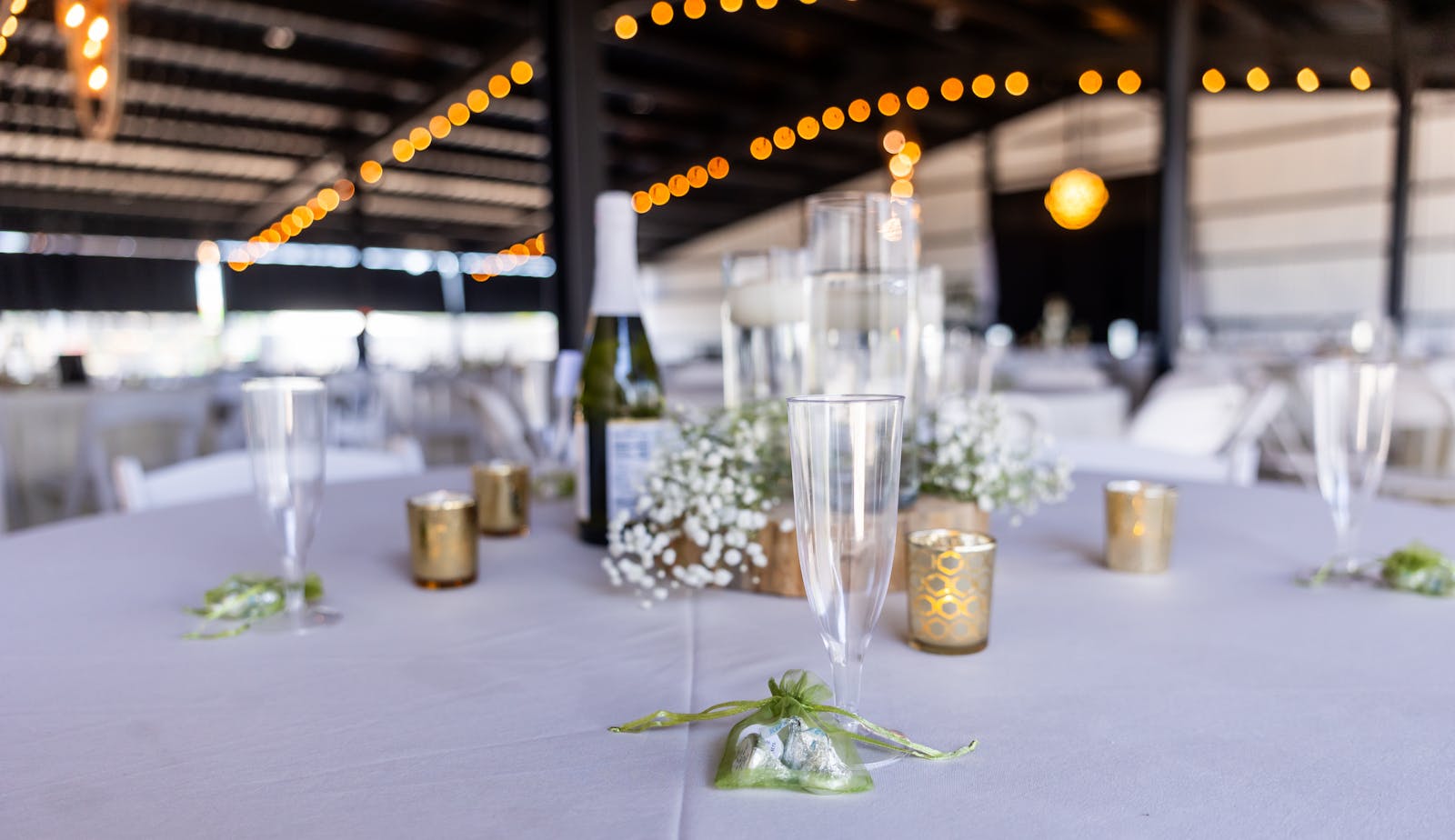
- Lanterns and candles in hurricane glass holders (essential for wind)
- Low centerpieces that do not block ocean views
- Natural materials like jute, linen, and wood
- Tropical flowers that thrive in warm climates
- Fairy lights strung between poles for evening celebrations
Colors That Work on the Beach
- Soft blues and seafoam greens complement the water
- Coral and peach add warmth against the sand
- White and gold create classic beach elegance
- Tropical brights like fuchsia and orange make a bold statement
- Earth tones like sage and terracotta pair beautifully with driftwood elements
Beach Wedding Logistics
Weather Planning
Weather is the single biggest variable for a beach wedding. You must have a plan for every scenario.
Wind: Expect it. Use weighted decorations, secure your arch with sandbags, choose heavy card stock for programs, and skip anything that can blow away. Inform your hair stylist that wind is a factor.
Rain: Have a tent or indoor backup reserved. Most beach venues offer this. If yours does not, rent a clear-top marquee so you keep the outdoor feel even in rain.
Heat: Provide shade with umbrellas or a tent. Have cold water stations and handheld fans for guests. Keep the ceremony short — 20 to 30 minutes maximum in direct sun.
Sun position: Visit the venue at the same time of day as your planned ceremony. Know where the sun will be so your guests are not squinting and your photos are not backlit.
Guest Comfort
- Footwear: Let guests know they can go barefoot or wear sandals. Provide a shoe station at the entrance to the sand
- Seating: Sturdy chairs that will not sink into sand. Skip the standard folding chairs
- Accessibility: Consider guests with mobility issues. A boardwalk or firm path to the ceremony area makes it accessible
- Insects: Evening beach weddings may attract mosquitoes. Have bug spray available or use citronella torches
- Restrooms: If the venue does not have nearby facilities, rent upscale portable restrooms
Sound and Music
Ocean waves and wind create beautiful ambiance but they also compete with your vows and music.
- Use a wireless microphone system for the ceremony — this is non-negotiable
- Position speakers to face guests, not the ocean
- Have your DJ or musicians do a sound check at the venue before the wedding day
- Consider acoustic music for the ceremony, which carries better outdoors than electronic sound
What to Wear
For the Bride
- Lighter fabrics like chiffon, organza, or crepe that move beautifully in wind
- A shorter hemline or a dress with a detachable train to avoid dragging in sand
- Skip the cathedral veil — a birdcage veil or floral crown works better on the beach
- Flat sandals, wedges, or barefoot — stilettos and sand do not mix
- Waterproof makeup is essential
For the Groom
- Linen suits or lightweight cotton are ideal for warm weather
- Skip the full suit jacket if it is hot — a vest or rolled sleeves look great
- Loafers, boat shoes, or barefoot
- Light colors complement the beach setting better than dark formal wear
For Guests
- Communicate the dress code clearly: "beach formal" or "casual elegance"
- Suggest flat shoes or sandals
- Recommend sunglasses and sunscreen
Beach Wedding Timeline
- 3 PM: Guests arrive, shoe station and welcome drinks
- 3:30 PM: Ceremony begins (catching the best light)
- 4 PM: Ceremony ends, cocktail hour on the beach
- 5 PM: Move to reception area (beach or nearby indoor/outdoor space)
- 5:30 PM: Dinner service begins
- 7 PM: Golden hour couple photos
- 7:30 PM: Dancing and celebration
- 10 PM: Sparkler send-off or lantern release (check local regulations)
Common Beach Wedding Mistakes
- No sound system — Guests in the back cannot hear anything over the waves
- Forgetting about tides — Check the tide schedule for your date and time. A rising tide can swallow your ceremony setup
- Over-decorating — The beach is already beautiful. Too much decor looks cluttered and fights the natural setting
- Ignoring wind — Everything that can blow away will blow away
- No shade plan — Guests sitting in direct afternoon sun for 30 minutes will not be happy guests