Finding Your Dream Dress
Shopping for a wedding dress should be exciting, not overwhelming. The key is understanding which silhouettes complement your body type, knowing your personal style, and approaching the process with an open mind.
Understanding Dress Silhouettes
A-Line
The most universally flattering silhouette. Fitted through the bodice and gradually flares from the waist, creating a shape like the letter A.
Flatters: Every body type. The gradual flare skims over hips and thighs without adding bulk.
Best for: Brides who want a classic, timeless look that works for every venue and formality level.
Ball Gown
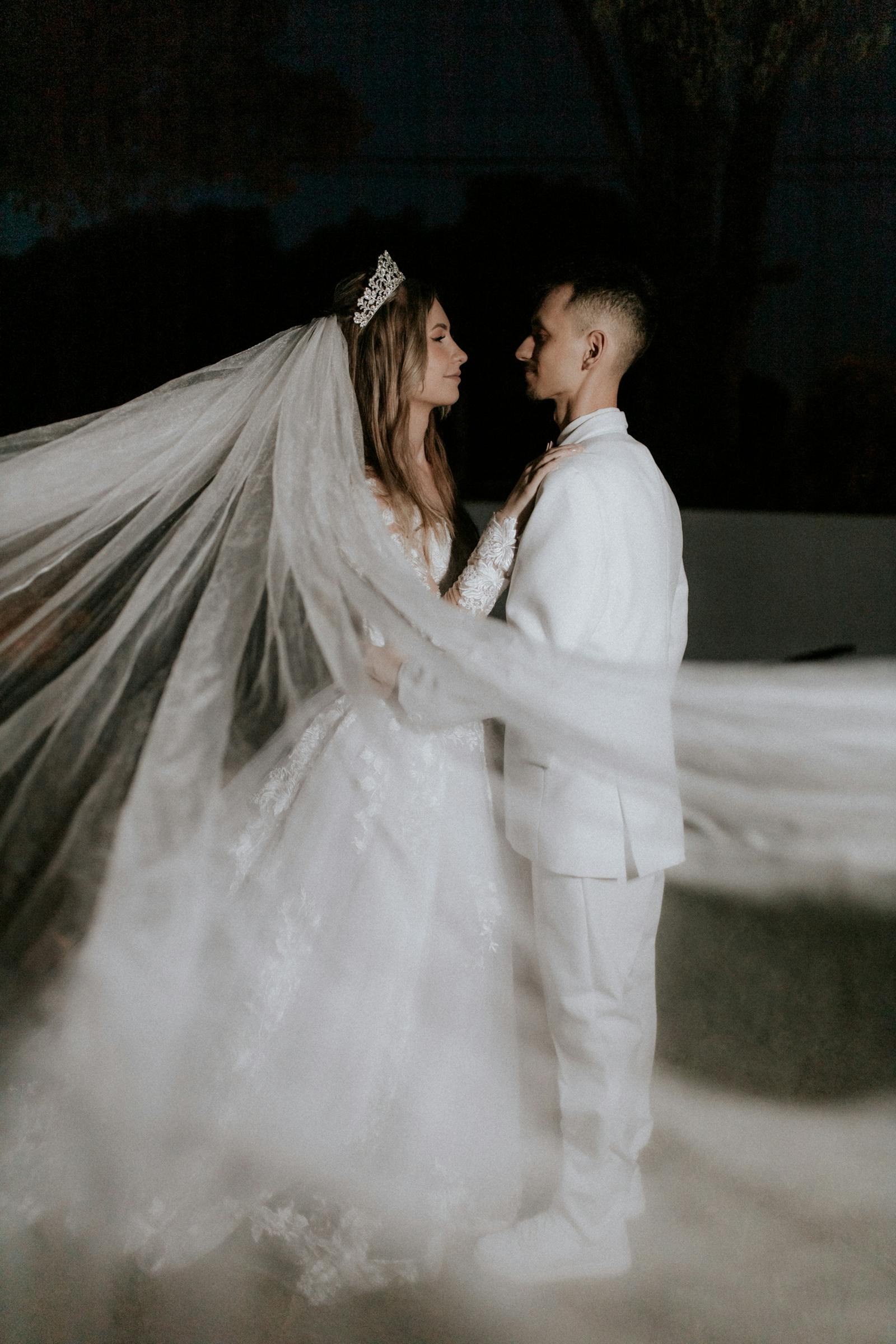
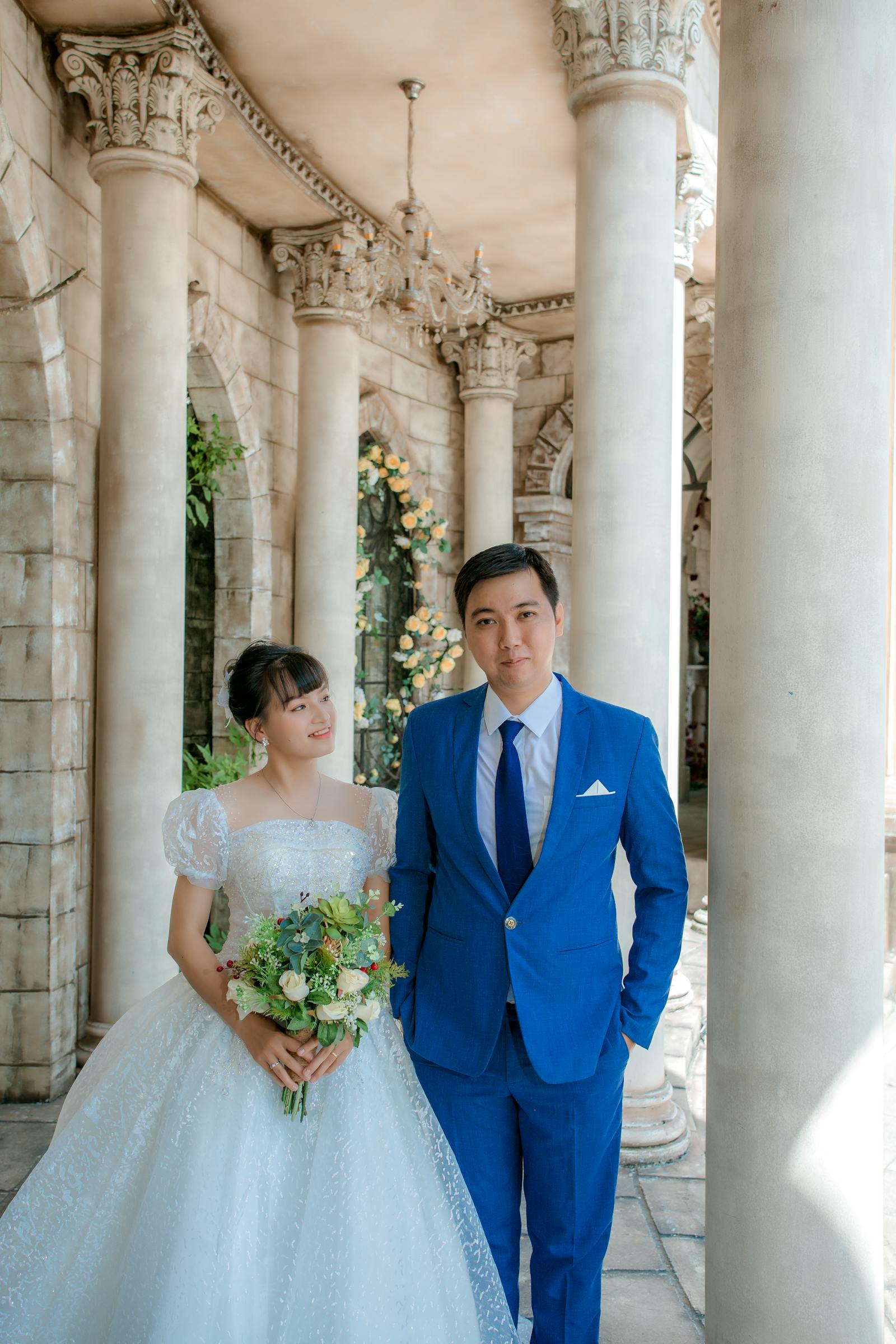
The fairy-tale dress. Fitted bodice with a dramatic full skirt that flows from the waist.
Flatters: Most body types, especially those who want to create a defined waist. The volume of the skirt balances wider shoulders and draws attention to the waist.
Best for: Formal venues with space — ballrooms, cathedrals, and estate gardens. The skirt needs room to move.
Consider: Ball gowns are heavy. If your reception involves extensive dancing, you may want a lighter option or a removable skirt.
Mermaid and Trumpet
Both hug the body through the hips and thighs. The mermaid flares at or below the knee, while the trumpet flares from mid-thigh.
Flatters: Hourglass figures and those who want to show off curves. The trumpet is more forgiving than the mermaid since the flare starts higher.
Best for: Brides who feel confident in body-conscious clothing and want a dramatic, glamorous look.
Consider: Movement is restricted in true mermaid styles. The trumpet allows easier walking and dancing.
Sheath and Column
Slim, straight styles that follow the body's natural line from shoulder to hem without a defined waist.
Flatters: Tall, lean figures and those who prefer minimalist elegance. Also works beautifully on petite frames as the unbroken line creates length.
Best for: Modern, understated celebrations. Beach weddings, garden ceremonies, and intimate gatherings.
Empire Waist
The waistline sits just below the bust, with fabric flowing loosely over the stomach and hips.
Flatters: Petite brides (creates the illusion of longer legs), those who prefer not to define the waist, and expectant brides who want comfortable elegance.
Best for: Romantic, ethereal celebrations. Garden and destination weddings.
Shopping by Body Type
Pear Shape (Wider Hips Than Shoulders)
Best silhouettes: A-line, ball gown, empire waist
Necklines to try: Off-the-shoulder, bateau, sweetheart — these draw attention upward
Details that help: Embellished bodices, statement sleeves, and full skirts that balance proportions
Skip: Mermaid and sheath styles that emphasize the hip area unless that is your intention
Apple Shape (Fuller Midsection)
Best silhouettes: A-line, empire waist, ball gown
Necklines to try: V-neck, sweetheart — these create a vertical line that elongates
Details that help: Ruching through the midsection, structured bodices, and flowing fabrics
Skip: Belted waists and body-conscious styles that cling to the midsection
Hourglass (Balanced Bust and Hips with Defined Waist)
Best silhouettes: Mermaid, trumpet, fit-and-flare, belted A-line
Necklines to try: Sweetheart, V-neck, off-the-shoulder — anything that showcases your natural curves
Details that help: A defined waistline is your friend. Belts, sashes, and fitted bodices enhance your natural shape
Skip: Nothing is off limits. Hourglass figures work in nearly every silhouette
Petite (Under 5 feet 4 inches)
Best silhouettes: A-line, sheath, fit-and-flare
Necklines to try: V-neck, illusion neckline — these create vertical lines
Details that help: Simple, clean lines that do not overwhelm your frame. Consider a shorter hemline
Skip: Overly full ball gowns that can swallow a petite frame. Excessive layers and heavy fabrics
Athletic (Broad Shoulders, Lean Build)
Best silhouettes: Mermaid, fit-and-flare, A-line with a structured bodice
Necklines to try: Halter, one-shoulder, strapless — these highlight strong shoulders
Details that help: Soft, draped fabrics that add feminine curves. Peplums and textured skirts add dimension
Skip: Nothing specific — athletic builds carry most styles well
The Shopping Experience
When to Start
Begin shopping 8-12 months before your wedding. Custom and designer gowns need:
- 4-6 months for production
- 2-3 months for shipping
- 2-3 fittings over 1-2 months for alterations
How Many Stores to Visit
Three to five bridal shops is the sweet spot. Fewer than three limits your options. More than five leads to decision fatigue and confusion.
Who to Bring
Bring a maximum of three people whose opinions you trust and who will support your vision. Too many opinions create confusion and can override your own instincts.
What to Wear
- Nude or strapless underwear
- Shoes close to the heel height you plan to wear
- Minimal jewelry — the dress should speak for itself
- Hair in a style similar to your planned wedding look
The Appointment Tips
- Try on different silhouettes, even ones you did not initially consider
- Move in the dress — sit, walk, raise your arms, dance
- Take photos and videos in every dress, including the back
- Trust how you feel, not just how you look
- If you cry, that is probably your dress
Budget Considerations
Where to Save
- Off-the-rack dresses from department stores or bridal outlets
- Sample sales with designer gowns at 50-70% off
- Pre-owned dresses on resale platforms
- Non-bridal formal wear — Beautiful white gowns without the bridal markup
- Dress rental services for designer gowns at a fraction of the price
The Total Dress Budget
Remember to budget beyond the dress itself:
- Alterations ($200-800)
- Undergarments ($100-300)
- Veil or headpiece ($50-500)
- Shoes ($50-300)
- Steaming and pressing ($50-150)
Final Thoughts
The perfect dress is the one that makes you feel like yourself on your best day. It does not have to be the most expensive, the most trendy, or the one your mother envisioned. It has to make you feel beautiful, confident, and ready to walk down that aisle.