Dressing the Groom
The groom deserves as much style attention as the bride. Your wedding attire should make you feel confident, comfortable, and like the best version of yourself. Here is everything you need to know about choosing the right look.
The Classic Options
Tuxedo
The gold standard for formal weddings. A tuxedo features satin or grosgrain details on the lapels, buttons, and trouser stripe.
When to wear: Black tie and formal evening weddings. The tuxedo is always appropriate after 5 PM.
Classic choices:
- Black tuxedo with peak lapels — timeless and universally flattering
- Midnight blue — Photographs better than black in evening lighting
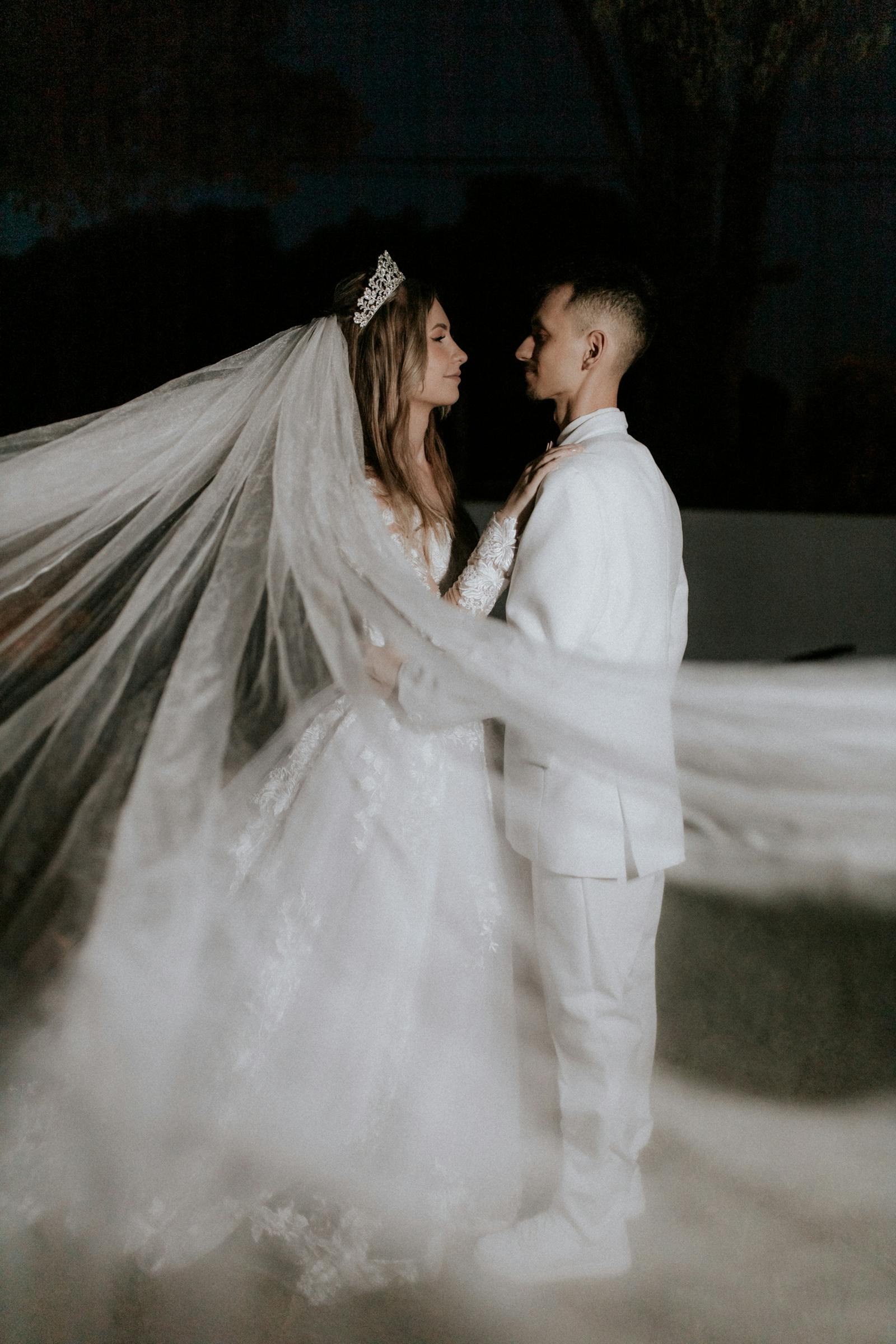
- White dinner jacket with black trousers — perfect for summer and destination weddings
The details:
- Bow tie (always with a tux, never a long tie)
- White or black pocket square
- Patent leather shoes or polished oxfords
- Cufflinks and dress watch
- Suspenders rather than a belt (tuxedo trousers should not have belt loops)
Suit
The versatile choice that works for most wedding styles from semiformal to cocktail.
When to wear: Daytime weddings, outdoor celebrations, and any event where a tuxedo would feel overdressed.
Popular suit colors:
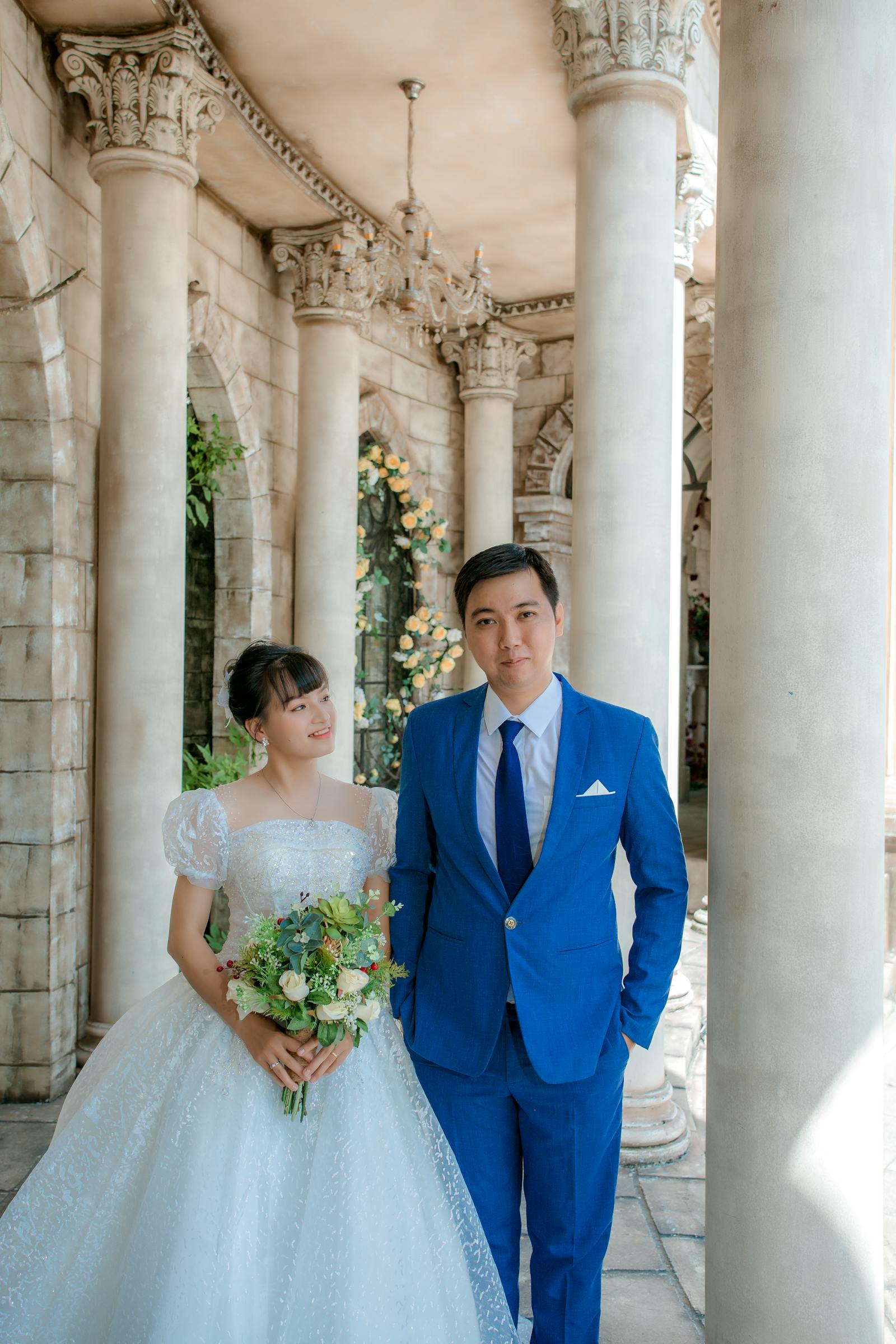
- Navy blue — The most versatile and flattering option for nearly every skin tone and setting
- Charcoal gray — Classic and sophisticated, works year-round
- Light gray — Perfect for spring and summer outdoor weddings
- Tan or khaki — Beach and garden weddings in warm weather
- Black — Formal but less specific than a tuxedo
The fit matters most: A well-fitted $500 suit looks better than a poorly fitted $2,000 suit. Invest in tailoring regardless of what you spend on the suit itself.
Morning Suit
Traditional formal daytime attire featuring a tailcoat (cutaway coat), waistcoat, and striped trousers.
When to wear: Very formal daytime ceremonies, particularly those in churches or traditional venues.
Modern Alternatives
The Three-Piece Suit
Adding a waistcoat to your suit creates a polished, put-together look. It also means you can remove the jacket during the reception and still look sharp.
The Mix and Match
Instead of a matching suit, combine complementary pieces:
- Navy blazer with gray trousers
- Tweed jacket with dark jeans (for very casual celebrations)
- Vest without a jacket for warm weather
Casual Elegance
For beach, garden, or very casual weddings:
- Linen shirt with tailored trousers
- Linen suit in light colors
- Rolled sleeves with a vest
- Suspenders without a jacket
- No tie — open collar with confidence
Getting the Right Fit
Key Measurements
A well-fitted suit should:
- Shoulders — The seam sits right at the edge of your shoulder, not hanging over or pinching
- Chest — You can button the jacket without pulling, and slip a fist between the jacket and your chest
- Sleeves — Show about half an inch of shirt cuff below the jacket sleeve
- Trousers — Sit at your natural waist, break slightly at the shoe, and fit comfortably through the thigh
- Jacket length — Covers your backside completely
Buy vs Rent
Buy if:
- You will wear it again (navy and charcoal suits are wardrobe staples)
- You want a perfect custom fit
- You have the budget for a quality piece
- You want to keep it as a memento
Rent if:
- It is a style you would never wear again (tuxedo for most men)
- Budget is tight
- You are still finalizing your weight or fitness goals
- You want your groomsmen to match exactly
Coordinating with the Wedding Party
Groomsmen Options
- Matching suits — Everyone in the same suit creates a cohesive look
- Same color, different styles — Same color suit but each groomsman chooses their own style
- Complementary colors — Groomsmen in a lighter or darker shade than the groom
- Matching accessories only — Groomsmen wear their own dark suits with matching ties, pocket squares, and boutonnieres
Standing Out as the Groom
You should be distinguishable from your groomsmen:
- Different colored tie or bow tie
- Unique boutonniere
- Different suit shade or pattern
- Vest when groomsmen do not wear one
- Different lapel style or pocket square
Seasonal Considerations
Spring and Summer
- Lighter fabrics: linen, cotton, lightweight wool
- Lighter colors: light gray, tan, blue
- Consider going jacketless or using a linen blazer
- Breathable fabrics prevent overheating
Autumn and Winter
- Heavier fabrics: wool, tweed, velvet
- Deeper colors: navy, charcoal, burgundy, forest green
- Layer with a vest or overcoat
- Rich textures add visual interest
Accessories That Complete the Look
- Tie or bow tie — Match or complement the wedding colors
- Pocket square — Should complement, not exactly match, your tie
- Shoes — Polished and appropriate for the formality level. Oxfords for formal, loafers for casual
- Watch — A classic dress watch is the ideal accessory
- Cufflinks — Personalized or meaningful cufflinks add a special touch
- Socks — Coordinating, fun, or subtle — just not white athletic socks
- Belt — Match the shoe color and leather type
The Timeline
- 6-8 months before: Start researching styles and trying on suits
- 4-6 months: Order or purchase your suit/tuxedo
- 3-4 months: First fitting
- 2-3 months: Order groomsmen attire
- 1 month: Final fitting with all accessories
- 1 week: Pick up everything, steam if needed, do a full dress rehearsal at home