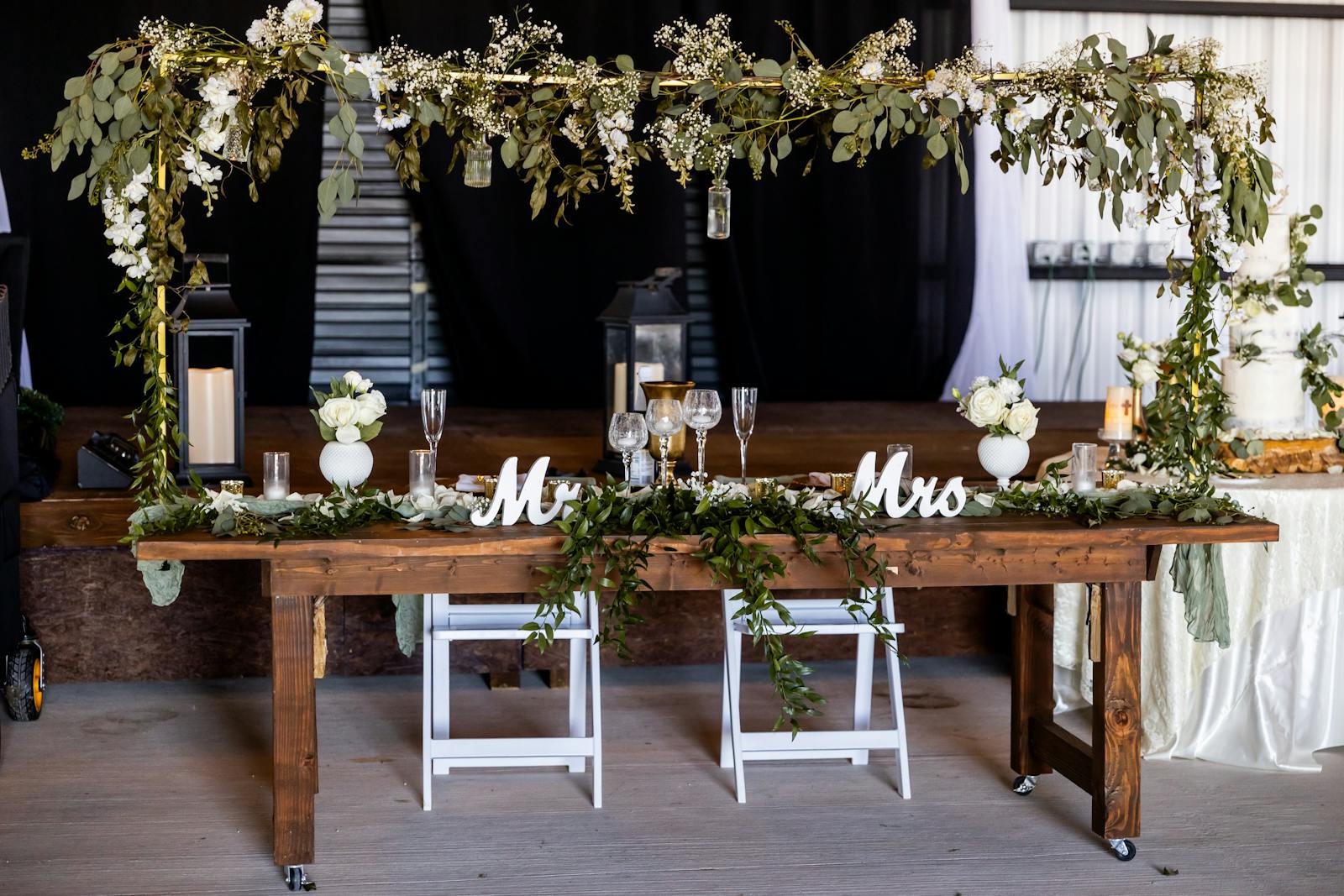
Why Sustainable Weddings Matter
The average wedding generates approximately 400 pounds of garbage and 60 tons of CO2 emissions. Between single-use decorations, food waste, travel emissions, and disposable tableware, weddings can carry a significant environmental footprint.
But here is the encouraging truth: planning a sustainable wedding does not mean sacrificing beauty, elegance, or celebration. In most cases, eco-friendly choices actually result in more thoughtful, unique, and memorable weddings. Sustainability and style are not opposing forces — they are natural partners.
Start with Your Invitations
Paper invitations are a wedding tradition, but they are also one of the easiest things to replace with a better alternative.
Go Digital
Digital invitations through platforms like WedCall eliminate paper waste entirely while offering features that paper cannot match:
- Real-time RSVP tracking
- Easy updates if details change
- No postage costs
- Beautiful, customizable designs
- Built-in meal preference and plus-one management
If you still want a physical element, consider sending digital invitations to most guests and reserving a small number of hand-written notes for grandparents and close family.
If You Choose Paper
- Use recycled or tree-free paper (cotton, bamboo, or seed paper that can be planted)
- Choose soy-based inks
- Skip the multiple envelope layers — a single card with essential information is elegant and sufficient
- Use a digital RSVP system even with paper invitations to reduce return postage waste
Venue Selection with the Planet in Mind
Your venue choice has a ripple effect on nearly every other environmental decision.
Outdoor and Natural Venues
Parks, gardens, beaches, and farms require minimal decoration because nature provides the backdrop. Less decoration means less waste.
All-in-One Locations
Choosing a venue that hosts both the ceremony and reception eliminates the need for guests to drive between locations, reducing overall transportation emissions.
Local Venues
The closer your venue is to where most guests live, the lower the collective carbon footprint from travel. If you are choosing between a dream destination and a beautiful local option, consider the environmental math.
Questions to Ask Venues
- Do you have a recycling and composting program?
- Do you use energy-efficient lighting?
- Is the kitchen equipped to minimize food waste?
- Can we bring our own sustainable vendors?
- What happens to leftover food and decor after events?
Eco-Friendly Catering
Food is one of the largest sources of wedding waste. Here is how to minimize it:
Menu Strategies
- Serve seasonal, locally sourced food. This reduces transportation emissions and supports local farmers. Ask your caterer which ingredients are available locally and in season.
- Reduce the meat. You do not need to go fully vegetarian, but reducing meat options and increasing plant-based dishes significantly lowers your carbon footprint. A menu with one meat option, one fish option, and one plant-based option satisfies most guests while reducing impact.
- Right-size your portions. Work with your caterer to calculate accurate portions based on your final head count. Overordering is the primary source of food waste at weddings.
- Plan for leftovers. Arrange in advance with a local food bank or shelter to donate excess food. Many caterers can facilitate this.
Beverage Choices
- Choose organic and biodynamic wines from local or regional vineyards
- Serve water in pitchers or dispensers rather than individual plastic bottles
- Use real glassware rather than disposable cups
- Batch cocktails reduce waste compared to individual mixed drinks
The Cake
- Order the right size based on your actual guest count, not an aspirational one
- Choose a baker who uses local, organic ingredients
- Skip the elaborate fondant decorations (fondant often ends up in the trash) and opt for buttercream or naked cake styles
Sustainable Flowers and Decor
Floral Choices
The global flower industry involves significant air freight, refrigeration, and chemical use. More sustainable approaches:
- Choose locally grown, seasonal flowers. A local flower farm within 100 miles of your venue eliminates the environmental cost of imported flowers.
- Use potted plants as centerpieces. Guests can take them home and continue growing them — a favor and decoration in one.
- Opt for dried and preserved flowers. They last indefinitely, require no water, and can be arranged well in advance.
- Rent or share flowers. Some florists now offer flower rental programs where arrangements are reused across multiple events on the same weekend.
- Forage responsibly. If your venue has wildflowers, ask permission to incorporate them into your arrangements.
Decoration Strategies
- Rent instead of buy. Table linens, chair covers, lanterns, candles, and serving pieces can all be rented and returned.
- Borrow from friends. Recently married friends often have boxes of decor items sitting in storage. Ask to borrow instead of buying new.
- Use candles and natural light. Nothing creates atmosphere more beautifully than candlelight, and candles in glass holders can be burned fully or reused.
- Skip single-use items. Confetti, balloons, sky lanterns, and glitter are environmental nightmares. Choose birdseed, dried flower petals, or bubbles as alternatives for toss moments.
- Repurpose ceremony decor at the reception. Move the ceremony arch, aisle flowers, and arrangements to the reception space to double their use.
Sustainable Fashion
Wedding Dress
- Buy vintage or pre-owned. Pre-owned wedding dress shops and online marketplaces offer gorgeous gowns that have already been produced — no new resources required.
- Rent your dress. Several bridal rental services now offer designer gowns at a fraction of the purchase price.
- Choose a dress you can wear again. A beautiful cocktail-length dress or a chic suit can be worn to future events.
- Support sustainable designers. A growing number of designers use organic fabrics, ethical manufacturing, and transparent supply chains.
- Donate or sell after the wedding. Pass your dress forward to another bride rather than storing it indefinitely.
Wedding Party Attire
Ask your wedding party to wear something they already own in a coordinated color scheme rather than requiring identical new dresses or suits they will never wear again.
Reduce, Reuse, Offset
Registry Choices
- Experience-based registry: Honeymoon funds, cooking classes, wine subscriptions, and adventure experiences generate no physical waste.
- Charity registry: Ask guests to donate to causes you care about instead of buying gifts.
- Practical items you actually need: If you do register for physical items, choose quality pieces you will use for years, not trendy items that will end up donated.
Carbon Offsetting
For the emissions you cannot eliminate (guest travel, vendor transport, venue energy), consider purchasing carbon offsets. Several reputable organizations plant trees or fund renewable energy projects in proportion to your calculated wedding emissions.
Day-of Waste Management
- Set up clearly labeled recycling, composting, and landfill bins
- Assign someone to manage waste sorting
- Use real plates, glasses, and silverware — rented if necessary
- Provide cloth napkins instead of paper
- Avoid individually wrapped items
The Ripple Effect
A sustainable wedding does more than reduce waste on a single day. It starts conversations. When guests see your digital invitations, potted plant centerpieces, locally sourced meal, and thoughtful alternatives to traditional excess, it plants seeds (sometimes literally) for more conscious choices in their own lives.
Your wedding is one of the most visible events you will ever host. Making it sustainable is both a personal value and a public statement that celebration and environmental responsibility can coexist beautifully.