What Is Shaping Weddings in 2026
Every year, wedding trends evolve as couples push boundaries and reimagine what a celebration can look like. In 2026, the overarching theme is intentionality — couples are making deliberate choices about every element rather than following a standard template. Here are the trends defining this year''s most memorable weddings.
1. Moody Earth Tones Are Replacing Pastels
The soft blush-and-ivory palette that dominated for years is giving way to richer, more saturated tones. Think terracotta, burnt sienna, olive green, dusty mauve, and deep burgundy paired with warm neutrals like taupe and camel.
These colors feel grounded and sophisticated. They work beautifully across seasons — warm enough for summer outdoor weddings and rich enough for winter celebrations.
How to use it:
- Bridesmaid dresses in mismatched earth tones (each attendant in a different shade)
- Table runners in rust-colored linen with olive greenery
- Terracotta-toned floral arrangements featuring dried grasses and seed pods
- Invitations with matte finishes in warm, muted color palettes
2. The "Un-Wedding" — Breaking Every Rule on Purpose
More couples in 2026 are intentionally rejecting traditional wedding conventions. Not out of budget necessity, but out of a genuine desire to create something that feels authentically them.
What this looks like:
- No bridal party — just the couple at the altar
- No formal reception — a cocktail party, picnic, or progressive dinner instead
- No white dress — colored gowns, jumpsuits, or even coordinated outfits with the partner
- No assigned seating — lounge-style reception areas with flexible seating
- No traditional cake — dessert walls, donut towers, or each guest receiving a small pastry box
The key principle: every element is a choice, not an obligation.
3. Maximalist Floral Installations
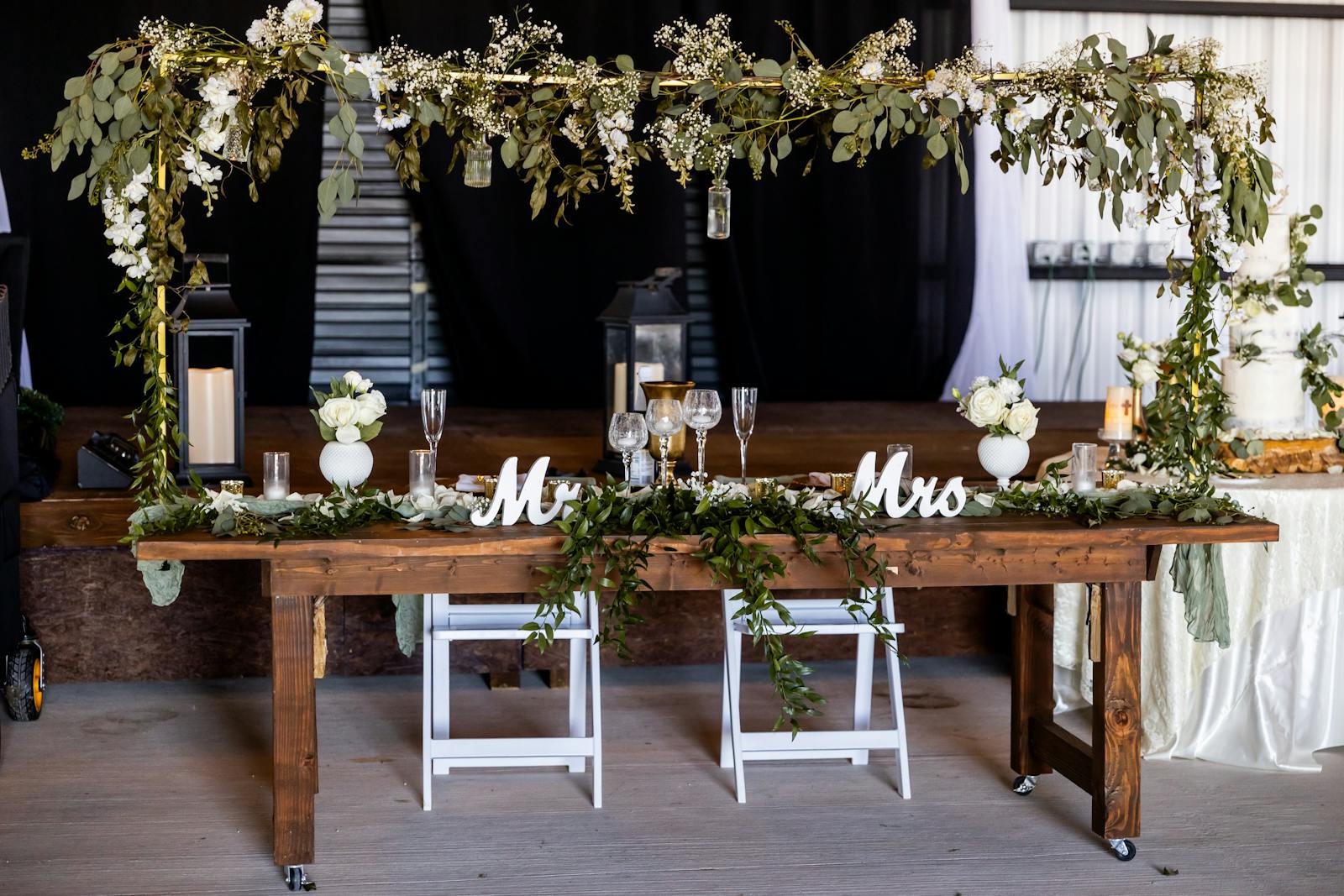
Minimalism had its moment. In 2026, flowers are going big — ceiling installations, floral arches that wrap completely around the ceremony space, flower walls behind the head table, and cascading arrangements that drip from chandeliers.
Trending floral choices:
- Garden roses in saturated pink and peach
- Pampas grass combined with structured flowers for texture contrast
- Dried and preserved flowers mixed with fresh blooms for a layered, organic look
- Orchids making a strong comeback, especially in modern and minimalist venues
- Wildflower meadow style — loose, unstructured arrangements that look freshly gathered
4. Friday and Sunday Weddings Go Mainstream
What was once considered a budget compromise is now a deliberate choice. Couples are choosing non-Saturday dates because:
- More venue availability means access to dream locations
- Vendors often offer better rates or additional services
- Guest lists naturally become more intimate (only people who truly want to be there will make the effort)
- Three-day wedding weekends (welcome dinner Friday, ceremony Saturday or Sunday, farewell brunch) become more feasible
5. Interactive Food Experiences
Sit-down plated dinners are being supplemented or replaced by interactive food stations that double as entertainment:
- Live pasta stations where a chef makes fresh pasta to order
- Build-your-own taco bars with premium ingredients
- Grazing tables spanning 20+ feet with artisanal cheeses, charcuterie, fruits, and breads
- Late-night snack stations appearing after 10 PM (pizza, sliders, ice cream sandwiches)
- Cultural food stations honoring the couple''s heritage with authentic cuisine
6. Personalized Ceremony Rituals
Cookie-cutter ceremonies are out. Couples are crafting deeply personal rituals that reflect their unique story:
- Time capsule ceremony: Sealing a box with love letters, a bottle of wine, and meaningful items to open on a future anniversary
- Plant ceremony: Planting a tree or combining soil from each partner''s hometown into a shared pot
- Ring warming: Passing the rings through the audience before the exchange so each guest can hold them and offer a silent blessing
- Handfasting: Binding hands with ribbon or cord — a Celtic tradition gaining popularity across cultures
- Reading exchange: Each partner selects a passage from a book that shaped their relationship
7. Sustainable and Eco-Conscious Choices
Sustainability is no longer a niche concern — it is becoming standard practice among conscious couples. Trending eco-friendly approaches:
- Digital invitations and RSVP management through platforms like WedCall, eliminating paper waste entirely
- Locally sourced, seasonal catering with reduced food miles
- Potted plants as centerpieces that guests take home and continue growing
- Rented or secondhand decor rather than single-use items
- Carbon offset contributions instead of traditional favors
8. After-Party Culture
The reception is no longer the end. 2026 couples are planning deliberate after-parties:
- Moving to a nearby bar or lounge after the reception
- Setting up a late-night bonfire with acoustic music
- Renting a food truck to park outside the after-party venue
- Planning themed after-parties (disco night, karaoke, casino night)
9. Technology-Forward Celebrations
Weddings are embracing technology in meaningful ways:
- Livestreaming the ceremony for guests who cannot attend — now expected rather than novel
- Digital guest books where attendees record video messages
- AI-assisted planning tools for budget tracking, seating arrangements, and timeline management
- Drone photography for dramatic aerial shots of outdoor venues
- QR codes at tables linking to the couple''s story, Spotify playlist, or digital photo album
10. The Return of the Destination Micro-Wedding
Small weddings in stunning locations are surging in 2026. The format: 20-40 guests, a breathtaking destination, and a multi-day experience rather than a single-evening event.
Popular destination styles:
- European villa weddings (Tuscany, Santorini, the Amalfi Coast)
- Mountain retreats (Colorado, Swiss Alps, Patagonia)
- Tropical escapes (Tulum, Bali, the Maldives)
- Historic estates (Scottish castles, French chateaux, Portuguese quintas)
11. Bold Fashion Statements
Bridal fashion in 2026 is about self-expression:
- Capes and bows replacing traditional veils
- Bridal suits and jumpsuits gaining mainstream acceptance
- Color — champagne, dusty blue, lavender, and even black wedding dresses
- Dramatic sleeves — puffed, bishop, and statement sleeves
- Multiple outfits — changing from a ceremony gown to a reception outfit to an after-party look
Groom fashion is equally evolving with velvet jackets, patterned suits, colored shoes, and statement accessories becoming the norm rather than the exception.
12. Meaningful Favor Alternatives
Physical favors that guests leave behind are being replaced by:
- Charitable donations in the couple''s name to causes they care about
- Edible favors (custom cookies, small jars of local honey, artisanal chocolate)
- Seed packets for guests to plant at home
- Personalized playlists — a QR code linking to the couple''s curated song collection
- Nothing at all — many couples are simply skipping favors and investing that budget elsewhere
The Common Thread
Across all these trends, one theme is clear: 2026 weddings are about authenticity. Couples are less interested in what weddings are supposed to look like and more invested in creating celebrations that feel genuinely, unmistakably theirs.