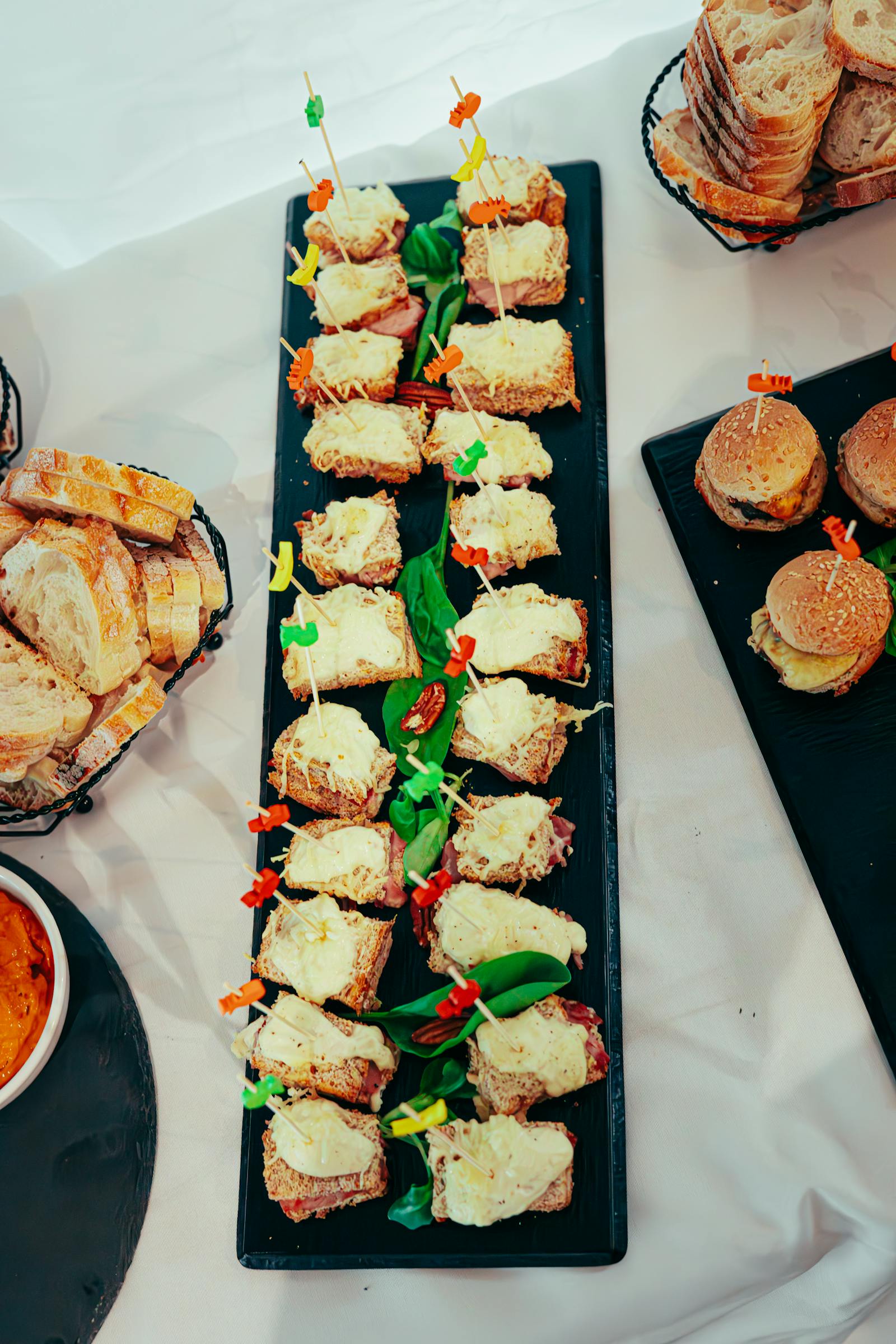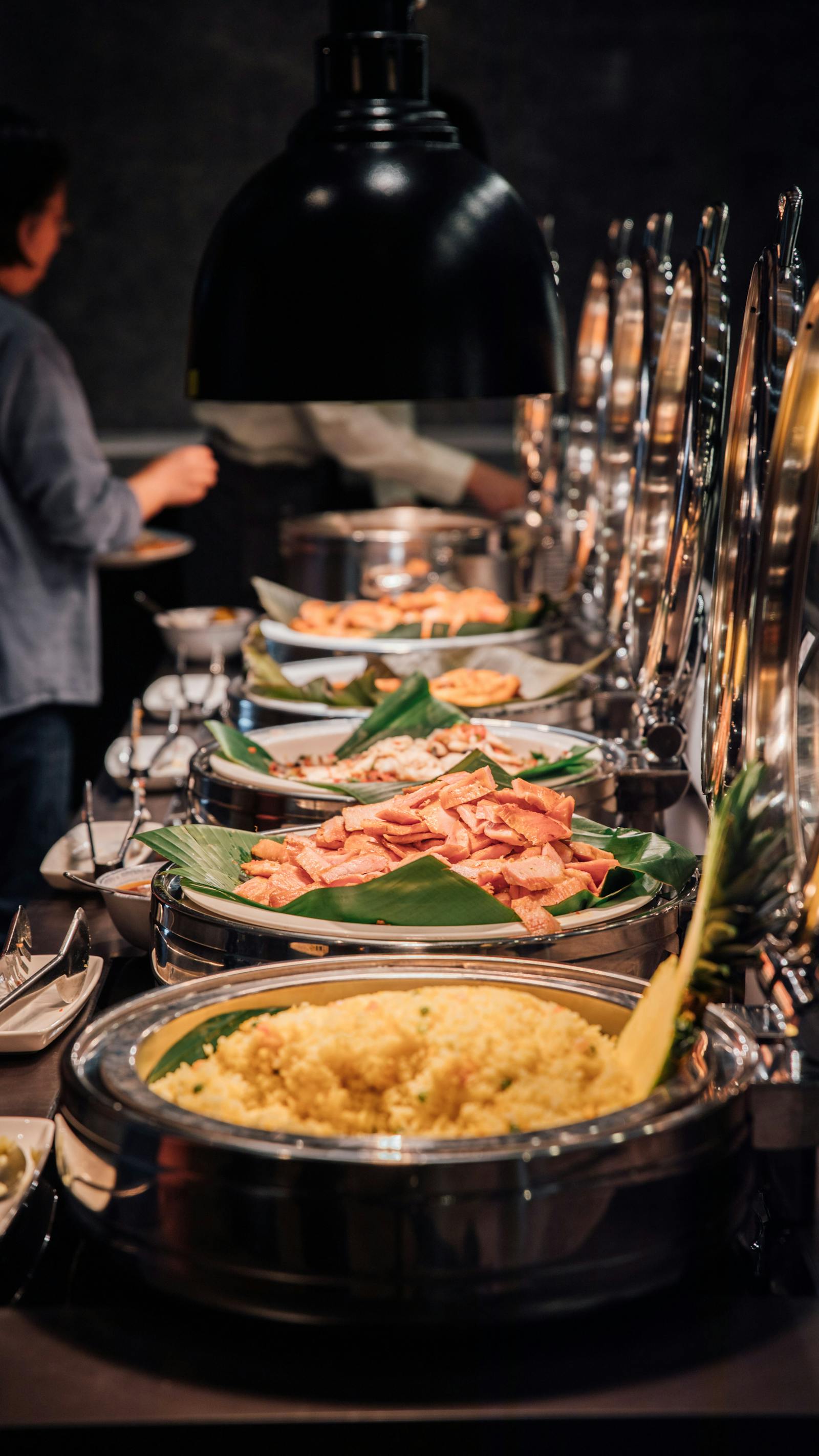
Feeding Everyone Well
An inclusive wedding menu does not mean bland, boring food. It means thoughtful planning that ensures every guest feels considered and well-fed. With the right approach, dietary accommodations enhance your menu rather than limit it.
Understanding Common Dietary Needs
Allergies (Medical Necessity)
These are non-negotiable and can be life-threatening:
- Nuts — Tree nuts and peanuts. Cross-contamination is a serious risk
- Gluten — Celiac disease requires strict avoidance of wheat, barley, and rye
- Dairy — Lactose intolerance varies in severity; dairy allergy is more serious
- Shellfish — One of the most common severe food allergies
- Eggs — Common in baked goods, sauces, and pasta
- Soy — Found in many processed and Asian-inspired foods
Dietary Choices
These are personal or ethical choices that guests expect to be respected:
- Vegetarian — No meat or fish
- Vegan — No animal products including dairy, eggs, and honey
- Pescatarian — Fish and seafood but no meat
- Halal — Meat prepared according to Islamic law
- Kosher — Food prepared according to Jewish dietary laws
Health-Related Diets
- Low sodium — Common for guests with heart conditions
- Diabetic-friendly — Low sugar options
- Low FODMAP — For guests with IBS or digestive issues
Collecting Information
The RSVP Card
Include a dietary needs line on your RSVP card:
"Please note any dietary restrictions or allergies: ________________"
This gives guests a clear, private way to communicate their needs without feeling like a burden.
Follow Up Directly
For severe allergies, follow up with the guest directly to understand the severity and any cross-contamination concerns. Relay this information to your caterer in detail.
Menu Planning Strategies
Build an Inclusive Base
The easiest approach is to build your base menu around dishes that are naturally inclusive:
Appetizers that work for most diets:
- Bruschetta with fresh tomatoes and basil (vegan if bread is egg-free)
- Seasonal vegetable crudites with hummus (vegan, gluten-free)
- Stuffed mushrooms (easily made vegan and gluten-free)
- Fruit and cheese display (vegetarian, can include vegan cheese section)
Main courses with broad appeal:
- Grilled salmon with seasonal vegetables (pescatarian, gluten-free, dairy-free)
- Herb-roasted chicken with roasted potatoes (gluten-free, dairy-free option)
- Mushroom risotto (vegetarian, can be made vegan and gluten-free)
- Mediterranean grain bowl (vegan, can be made gluten-free with quinoa)
Offer Meaningful Alternatives
When a dish cannot accommodate a specific diet, offer an alternative that is equally appealing — not an afterthought.
Bad approach: "The vegan option is a plain green salad."
Good approach: "The vegan option is a roasted vegetable Wellington with cashew cream sauce."
Your guests with dietary needs should feel like they are getting a full, considered meal, not the scraps.
Label Everything
For buffets and food stations, clear labeling is essential:
- V — Vegetarian
- VG — Vegan
- GF — Gluten-free
- DF — Dairy-free
- NF — Nut-free
- List all major allergens present
For plated dinners, ensure waitstaff know which plates are for which dietary needs and can confirm ingredients if asked.
Working with Your Caterer
The Initial Conversation
When meeting caterers, discuss dietary needs upfront:
- How many dietary-specific meals have you prepared for weddings?
- Can you accommodate multiple restrictions simultaneously?
- How do you handle cross-contamination in the kitchen?
- Can I taste the alternative dishes, not just the standard menu?
- Is there an additional charge for specialty meals?
Provide Detailed Information
Give your caterer a complete list of:
- Each guest with dietary needs
- Their specific restriction
- The severity (preference vs allergy)
- Any cross-contamination concerns
- Their table number for plated service
Real-World Tips
Plan for Unannounced Needs
Some guests will not mention dietary needs in advance. Plan for this:
- Have 2-3 extra vegetarian and vegan meals available
- Ensure at least some buffet items are naturally gluten-free
- Brief the waitstaff on ingredients so they can answer guest questions
The Kids Table
Children often have simpler palates and common allergies. Plan their menu separately:
- Simpler options they are more likely to eat
- Nut-free as a standard precaution
- Familiar foods alongside the wedding menu
Dessert Inclusivity
Do not forget dietary needs extend to dessert:
- Offer a gluten-free dessert option
- Have a vegan dessert available
- Label dessert items clearly
- Consider a fruit-based option that works for most diets
The Bar
Dietary considerations apply to drinks too:
- Mark cocktails that contain common allergens (eggs in sours, dairy in cream-based drinks)
- Offer gluten-free beer options
- Have clearly labeled non-alcoholic options
- Ensure mixers are clearly available for guests who want to know ingredients
Sample Inclusive Menu
Appetizers (Cocktail Hour):
- Mini crab cakes with aioli (GF)
- Bruschetta with heirloom tomatoes (VG option available)
- Grilled vegetable skewers with chimichurri (VG, GF)
- Cheese and fruit display (V) with nut-free crackers
Main Course Options:
- Herb-crusted salmon with asparagus and lemon butter (GF, DF option)
- Braised short rib with root vegetables and red wine jus (GF)
- Wild mushroom and truffle risotto (V, GF, VG option)
- Roasted cauliflower steak with romesco and ancient grains (VG, GF)
Dessert:
- Wedding cake (traditional)
- Flourless chocolate torte (GF)
- Coconut panna cotta with berry compote (VG, GF)
- Fresh fruit platter (VG, GF, NF)
This menu naturally accommodates most dietary needs without feeling like a compromise. Every option is a dish worth eating, regardless of why you chose it.